Table of Contents
- Introduction
- Understanding Seasonal Health Risks
- How Changing Weather Impacts Health
- Common Health Issues During Seasonal Transitions
- Preventive Measures for Seasonal Illnesses
- Boosting Your Immune System in Seasonal Changes
- Protecting Your Skin from Seasonal Conditions
- Importance of Hydration and Nutrition
- Seasonal Allergies and How to Manage Them
- Conclusion
- Frequently Asked Questions (FAQs)
Introduction
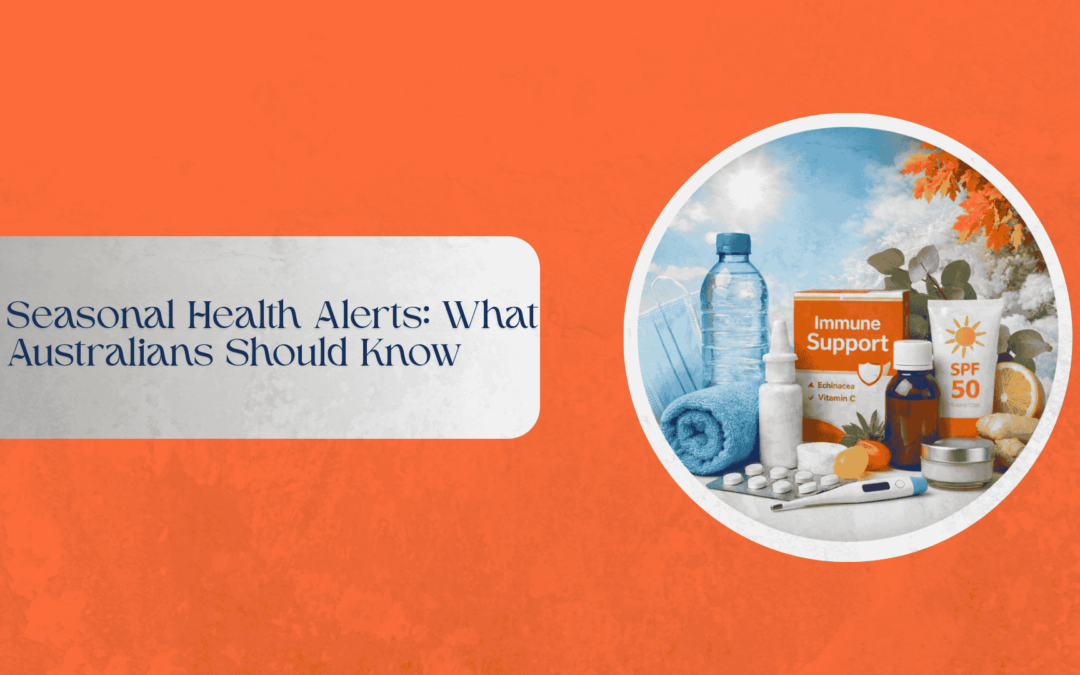
As seasons change, Australians face a variety of health challenges that can be influenced by fluctuating weather and environmental conditions. From temperature extremes to seasonal allergens, it’s crucial to stay informed about the risks to your health. This guide outlines common seasonal health alerts and provides practical tips for maintaining wellness throughout the year.
- Explore our Seasonal Health Products to help manage your wellbeing through the changes.
- For more on seasonal health guidelines, visit the Australian Government Health Department.
Understanding Seasonal Health Risks
With each change in season, Australians experience different health risks, from flu outbreaks in winter to dehydration during hot summer months. Understanding these seasonal health risks is essential for prevention. This section delves into the top concerns and how to stay prepared.
- Check out Seasonal Health Products that can help mitigate seasonal risks.
- Learn more about seasonal health alerts from The Australian Institute of Health and Welfare.
How Changing Weather Impacts Health
The shift in weather can have significant effects on your health. Cold weather increases the risk of respiratory illnesses, while hot weather can lead to dehydration and heat exhaustion. This section explores how different seasons affect our bodies and provides tips on how to stay healthy through each transition.
- Discover our range of Seasonal Health Products for both winter and summer.
- For weather-related health tips, visit The Bureau of Meteorology.
Common Health Issues During Seasonal Transitions
Seasonal transitions can trigger various health issues, such as allergies, colds, and skin conditions. This section discusses the most common problems Australians face when the seasons change and how to manage them effectively.
- Explore Seasonal Health Products to address specific health concerns.
- Check out The National Asthma Council for tips on managing seasonal allergies.
Preventive Measures for Seasonal Illnesses
Prevention is key when it comes to seasonal health issues. From vaccinations to lifestyle changes, this section outlines effective measures to reduce the risk of illness during seasonal shifts.
- See our Seasonal Health Products for preventive options.
- Visit the TGA (Therapeutic Goods Administration) for approved health information.
Boosting Your Immune System in Seasonal Changes
A strong immune system is essential, especially during times of seasonal change. This section offers practical advice on how to keep your immune system robust through diet, exercise, and supplements.
- Browse Seasonal Health Products that support immune health.
- For immune-boosting tips, visit Better Health Channel.
Protecting Your Skin from Seasonal Conditions
Your skin can take a toll during extreme seasonal conditions. Whether it’s sunburn in the summer or dryness in the winter, this section provides advice on how to keep your skin healthy year-round.
- Check out Seasonal Health Products for skin protection solutions.
- Read more on Skin Health Australia.
Importance of Hydration and Nutrition
Maintaining proper hydration and nutrition is vital during seasonal transitions. This section discusses how to adjust your diet and fluid intake to support your health through each season.
- Find hydration and nutrition essentials in our Seasonal Health Products range.
- For hydration tips, visit The Australian Nutrition Society.
Seasonal Allergies and How to Manage Them
Seasonal allergies can be a major concern, especially in spring and autumn. This section outlines how to manage allergies and provide relief during the most challenging seasons.
- Explore our Seasonal Health Products for allergy relief.
- Learn more about allergies from the Australian Society of Clinical Immunology and Allergy.
Conclusion
Seasonal changes bring new health challenges, but with the right information and proactive measures, Australians can navigate these transitions with ease. By staying informed, maintaining a healthy lifestyle, and using seasonal health products, you can ensure that your well-being is protected all year long.
- Shop Seasonal Health Products to support your health through the seasons.
- Visit Health Direct for more health tips.
Frequently Asked Questions (FAQs)
- Q1: How can I prepare my body for the seasonal change?
A1: The key to preparing for a seasonal change is maintaining a balanced diet, staying hydrated, and adjusting your lifestyle to match the weather conditions. Consider using seasonal health products to support your immune system. - Q2: What should I do if I get sick during a seasonal transition?
A2: If you experience symptoms of illness during a seasonal transition, rest, hydrate, and consult a healthcare professional for advice. It’s also important to use products designed to alleviate symptoms in line with TGA recommendations.
Mandatory Disclaimer
“This content is for general informational purposes only and is not intended as medical or professional advice. Always seek the guidance of a qualified professional regarding any questions about personal well-being or products.”