Table of Contents
- Understanding Allergy Relief Products
- Over-the-Counter (OTC) Allergy Medications
- Natural Allergy Relief Options
- Prescription Medications for Severe Allergies
- Nasal Sprays and Their Effectiveness
- Antihistamines: How They Work
- Immunotherapy for Long-Term Allergy Relief
- Allergy Relief for Children
- Allergy Relief for Pets
- Choosing the Right Allergy Relief Product for You
- Conclusion
- Frequently Asked Questions (FAQs)
Introduction
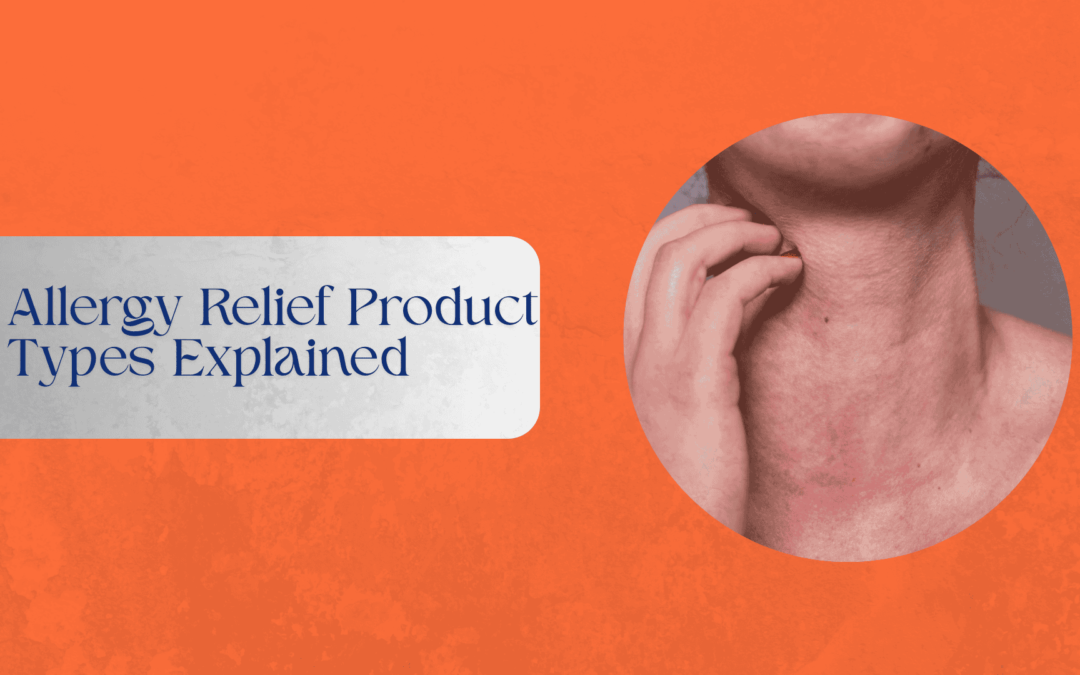
In this blog, we will explore various allergy relief product types available today. Whether you suffer from seasonal allergies or more persistent year-round symptoms, understanding the different treatment options can help you find relief. From over-the-counter medications to natural remedies, there are numerous products designed to manage your allergy symptoms effectively. This guide will provide an overview of the most common allergy relief products, including their uses, benefits, and potential side effects. Be sure to consult with a healthcare professional before choosing any allergy treatment.
Over-the-Counter (OTC) Allergy Medications
Over-the-counter medications are often the first line of defence against allergy symptoms. These products include antihistamines, decongestants, and combination medications. While easily accessible, it is important to choose the right product for your specific symptoms. Antihistamines block the release of histamines, which cause many allergy symptoms. Decongestants help relieve nasal congestion caused by swollen blood vessels. Always read labels and follow dosage instructions carefully.
Natural Allergy Relief Options
For those looking for natural alternatives, there are various options available. Some people find relief through herbal remedies such as butterbur or by using nasal saline sprays to clear out allergens. These natural options can be beneficial, but it’s important to ensure they’re used safely and effectively. Always consult your healthcare provider before incorporating any new remedy into your routine.
Prescription Medications for Severe Allergies
In some cases, over-the-counter medications may not provide sufficient relief, and prescription medications may be necessary. For individuals with severe allergies, doctors may prescribe stronger antihistamines or corticosteroids to control symptoms. These medications are generally more potent and may require a prescription.
Nasal Sprays and Their Effectiveness
Nasal sprays are another common form of allergy relief. They are typically used for treating nasal symptoms such as congestion and a runny nose. There are two main types: corticosteroid nasal sprays and antihistamine nasal sprays. Both can be very effective, but may have different uses depending on your specific symptoms.
Antihistamines: How They Work
Antihistamines are one of the most widely used allergy medications. They work by blocking the histamines that trigger allergy symptoms like sneezing, itching, and runny noses. Some antihistamines can cause drowsiness, so it’s important to choose the right type for your needs.
Immunotherapy for Long-Term Allergy Relief
Immunotherapy, also known as allergy shots, is a long-term treatment aimed at desensitising the immune system to specific allergens. This treatment can take several months to show full effects, but it can provide lasting relief for those with persistent allergies.
Allergy Relief for Children
Children’s allergies can be particularly challenging, as they may be more sensitive to certain medications. There are specially formulated medications and treatments designed for children, ensuring that they can find relief without adverse effects.
Allergy Relief for Pets
Allergy relief products are not just for humans; pets can suffer from allergies, too. There are specific products available to help manage your pet’s allergy symptoms, including antihistamines and special shampoos.
Choosing the Right Allergy Relief Product for You
With so many allergy relief products available, it can be challenging to decide which one is right for you. Factors such as your specific symptoms, any underlying health conditions, and personal preferences can all influence your choice.
Conclusion
Allergy relief comes in many forms, from OTC medications to natural remedies and prescription treatments. It’s essential to find a product that suits your needs and consult with a healthcare provider to ensure it’s safe and effective for you. By understanding the different options available, you can make an informed decision about the best allergy relief for your lifestyle.
Frequently Asked Questions (FAQ)
- Q1: What is the best allergy relief for seasonal allergies?
A: Seasonal allergies can often be managed with over-the-counter antihistamines or nasal sprays. Consult your doctor if symptoms persist.
Disclaimer
This content is for general informational purposes only and is not intended as medical or professional advice. Always seek the guidance of a qualified professional regarding any questions about personal well-being or products.