Table of Contents
- Introduction
- What Are Everyday Supplements?
- The Role of Supplements in a Balanced Diet
- Common Supplements Found in Australian Households
- Choosing the Right Supplements for Your Needs
- Safety Considerations When Taking Supplements
- How to Store Supplements Correctly
- Are Supplements Necessary for Everyone?
- How Supplements Support Everyday Wellbeing
- Conclusion
- FAQ (Optional)
Introduction
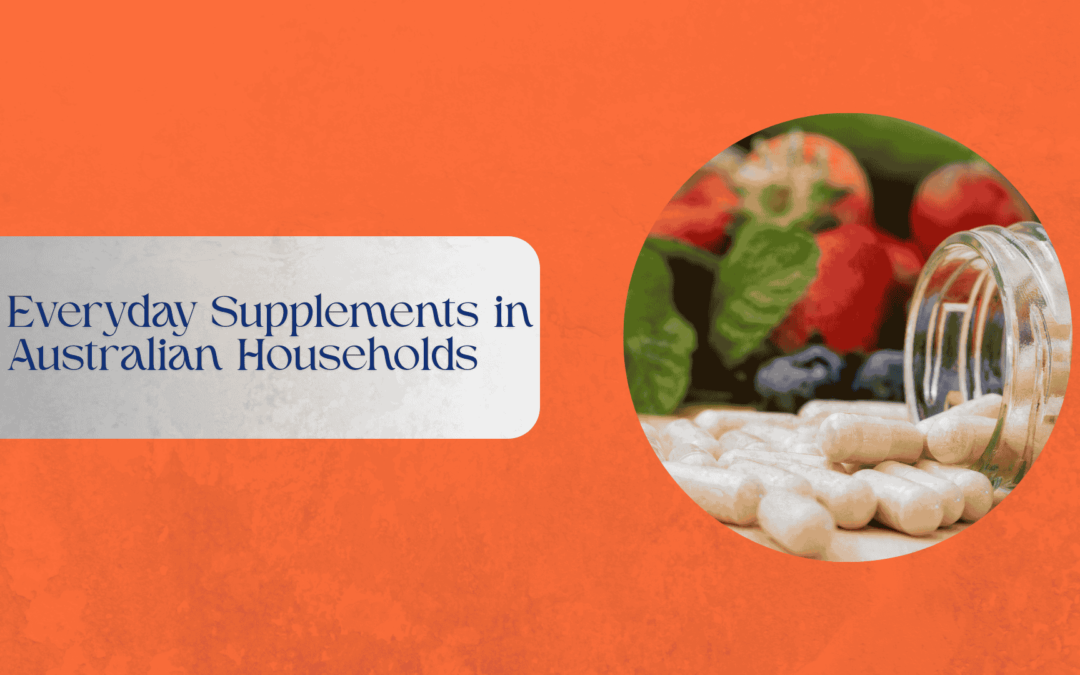
In Australian households, supplements are commonly used to support overall health and well-being. They provide additional nutrients that may not always be sufficiently obtained through diet alone. This blog explores the role of everyday supplements, their benefits, and essential guidelines for incorporating them into a daily routine.
What Are Everyday Supplements?
Everyday supplements refer to non-prescription products commonly found in Australian homes that provide additional vitamins, minerals, and other nutrients. These include multivitamins, vitamin D, calcium, and fish oils. While they can be beneficial for filling nutritional gaps, they are not substitutes for a balanced diet.
The Role of Supplements in a Balanced Diet
Supplements can complement your diet by filling gaps in nutrition. However, it’s essential to remember that they cannot replace the wide range of nutrients provided by whole foods. Understanding when and why to take supplements can help you achieve a healthier balance in your daily routine.
Common Supplements Found in Australian Households
Some of the most common supplements in Australian homes include Vitamin C, fish oils, calcium, and magnesium. These products are often used to support general health, bone strength, and immune function. It’s important to select supplements based on individual needs and recommendations from healthcare professionals.
Choosing the Right Supplements for Your Needs
Not all supplements are the same. Some may be more suitable for certain individuals based on their lifestyle, age, or health goals. Consulting with a healthcare provider is essential to ensure you’re choosing the right product for your needs and to avoid potential interactions with medications.
Safety Considerations When Taking Supplements
While supplements can be beneficial, they should be taken responsibly. Overuse or misuse can lead to adverse effects. Always follow the dosage instructions on the product label, and consult a healthcare provider if you’re unsure whether a supplement is right for you.
How to Store Supplements Correctly
Proper storage of supplements is crucial to maintaining their effectiveness. Most supplements should be kept in a cool, dry place, away from sunlight and moisture. Follow the storage instructions on the packaging to preserve the quality and potency of your products.
Are Supplements Necessary for Everyone?
While supplements can help some people fill nutritional gaps, they are not necessary for everyone. A healthy, balanced diet is the best way to obtain nutrients. Supplements should be considered on an individual basis, often after consultation with a healthcare provider.
How Supplements Support Everyday Wellbeing
Supplements can be a convenient way to ensure that you’re meeting your nutritional needs on a daily basis. They support overall well-being by contributing to healthy immune function, bone health, and energy levels. However, supplements should be used to complement, not replace, a healthy lifestyle.
Conclusion
Every day, supplements can play an important role in supporting a healthy lifestyle. By selecting the right supplements and using them responsibly, Australians can complement their diet and achieve their health goals. Always remember to consult with a healthcare professional before adding new supplements to your routine.
Frequently Asked Questions (FAQs)
- Q1: Are supplements safe for everyone?
Supplements are safe for most individuals when taken as directed. However, they may interact with certain medications or conditions, so it’s important to consult with a healthcare provider before starting any supplement.
Disclaimer: This content is for general informational purposes only and is not intended as medical or professional advice. Always seek the guidance of a qualified professional regarding any questions about personal well-being or products.