by iamrolanddiaz | Dec 25, 2025 | Conversion
Table of Contents
- Introduction
- The Power of Routine
- Prioritising Sleep for Consistency
- Staying Hydrated
- Healthy Eating for Energy and Focus
- Exercise for Mental and Physical Resilience
- Setting Small, Achievable Goals
- Managing Stress Effectively
- Tracking Progress for Motivation
- Conclusion
- Frequently Asked Questions (FAQ)
Introduction
Consistency is the cornerstone of personal growth and success. Whether you’re working towards a fitness goal, improving your productivity, or simply aiming for a healthier lifestyle, everyday habits play a pivotal role in maintaining that consistency. In this blog, we’ll explore habits that can help you build and sustain consistency in your life, without feeling overwhelmed. From focusing on your health to tracking your progress, small adjustments can lead to long-term success. We will also introduce some consistency-boosting products that can aid you in this journey.
The Power of Routine
A well-structured routine provides the foundation for consistency. Creating a routine that works for you involves establishing morning and evening rituals that align with your goals. A predictable schedule eliminates decision fatigue and fosters a sense of control, setting you up for success. This section will delve into the power of routine and how even the simplest habits can help you stay consistent throughout your day.
Prioritising Sleep for Consistency
Sleep is often overlooked, but it is a crucial factor in maintaining consistency. A good night’s sleep improves cognitive function, emotional stability, and physical health. Without adequate rest, your ability to remain consistent in daily tasks can be compromised. This section will highlight the importance of sleep and provide tips on how to prioritise rest for better consistency in your routines.
Staying Hydrated
Hydration is key to maintaining energy levels and mental clarity. Dehydration can affect your focus, productivity, and overall performance, making it harder to stay consistent in your daily habits. This section will discuss the benefits of proper hydration and suggest easy ways to incorporate water intake into your daily routine.
Healthy Eating for Energy and Focus
Fueling your body with the right nutrients is essential for staying consistent. Eating balanced meals not only improves physical health but also boosts brain function, focus, and energy levels. This section will explore how to make healthier food choices that support long-term consistency and how simple adjustments can have a significant impact on your daily life.
Exercise for Mental and Physical Resilience
Regular exercise doesn’t just improve your physical health—it also strengthens your mental resilience. Exercise releases endorphins, which can enhance your mood and motivation. This section will cover how incorporating physical activity into your routine can help you stay consistent in other areas of your life, from work to personal goals.
Setting Small, Achievable Goals
One of the best ways to build consistency is by breaking down big goals into smaller, manageable steps. Setting small, achievable goals helps you stay focused and motivated, providing clear milestones to track progress. This section will teach you how to set realistic goals that will keep you on track towards consistent success.
Managing Stress Effectively
Stress can derail your consistency by affecting your mental and physical health. Learning how to manage stress is essential for maintaining focus and productivity. In this section, we’ll provide tips on managing stress, including mindfulness techniques, breathing exercises, and time management strategies to help you stay consistent under pressure.
Tracking Progress for Motivation
Tracking your progress is a powerful motivator. By measuring your progress, you can see how far you’ve come, which reinforces the habit of consistency. This section will explore different ways to track your goals, from journaling to using apps, and how reviewing your progress regularly can keep you motivated.
Conclusion
Consistency is built on the foundation of small, everyday habits. Whether it’s getting enough sleep, staying hydrated, or managing your stress, each habit plays an essential role in maintaining your momentum. By following the tips outlined in this blog, you can build a routine that supports consistency, making it easier to achieve your goals. Don’t forget to explore our Consistency-Boosting Products to help you stay on track and perform your best every day.
Frequently Asked Questions (FAQ)
- Q: How can I stay consistent with my exercise routine?
A: Set a specific time for your workouts each day, keep your sessions short and enjoyable, and track your progress. Staying hydrated and eating well can also help maintain your energy levels for consistent workouts.
Mandatory Disclaimer
“This content is for general informational purposes only and is not intended as medical or professional advice. Always seek the guidance of a qualified professional regarding any questions about personal wellbeing or products.”
by iamrolanddiaz | Dec 25, 2025 | Conversion
Table of Contents
- Introduction
- The Power of New Beginnings
- The Influence of Social and Cultural Expectations
- Assessing Priorities and Goals
- Small Adjustments for Big Changes
- Accountability and Tracking Progress
- Why Small Wins Matter
- Conclusion
Introduction
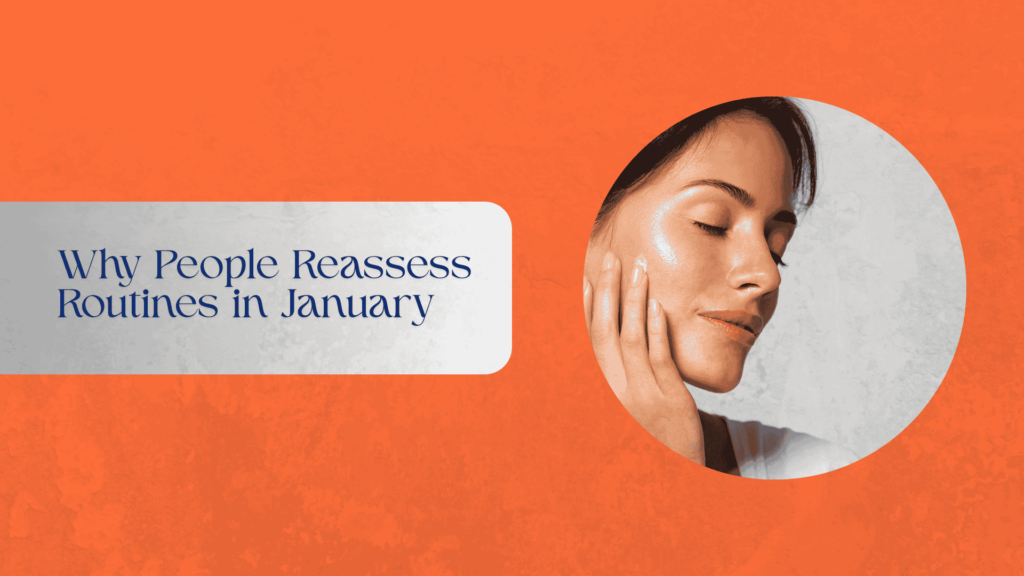
January is a time for new beginnings, where many people reflect on their past year and reassess their routines. The start of the new year often brings a sense of renewal, with individuals seeking to improve their personal habits and overall well-being. Whether it’s adopting healthier practices or becoming more organised, January provides an opportunity to create meaningful changes. In this blog post, we’ll explore why people feel the urge to reassess their routines during this time of year, and how this period of reflection can lead to personal growth.
The Power of New Beginnings
The new year symbolises a fresh start, which can be motivating for many. People often look at January as a clean slate, an ideal time to evaluate their past routines and make adjustments. This sense of renewal can inspire individuals to commit to healthier habits, enhance productivity, or focus on their well-being. This section explores the psychology behind why the start of the year encourages such self-reflection.
The Influence of Social and Cultural Expectations
In many cultures, the concept of self-improvement during the new year is deeply ingrained. Whether it’s through public resolutions or social media challenges, people feel the need to align their routines with shared values of growth and progress. This section examines how societal influences shape our motivation to reassess and refine our daily habits in January.
Assessing Priorities and Goals
As the year comes to a close, individuals often reflect on their past achievements and setbacks. This assessment can prompt a reevaluation of what is truly important—whether it’s career success, personal relationships, or physical health. January is the perfect time to set new priorities and develop a routine that aligns with those goals. In this section, we’ll discuss how evaluating priorities plays a key role in reassessing routines.
Small Adjustments for Big Changes
Often, people assume that large changes are necessary to make a real impact. However, small adjustments to daily routines can lead to significant long-term benefits. This section discusses how making incremental changes in habits, such as adjusting sleep schedules or meal planning, can contribute to personal growth throughout the year.
Accountability and Tracking Progress
One of the most significant challenges when reassessing routines is staying consistent. Accountability can play a key role in ensuring that new habits stick. Whether through a friend, a coach, or tracking apps, having a system to monitor progress can greatly increase the chances of success. This section explores how accountability systems can help people stick to their new routines.
Why Small Wins Matter
In the journey of self-improvement, small wins can lead to big results. People often forget that significant progress can come from the accumulation of small victories. This section highlights how celebrating small achievements can fuel motivation and keep people on track with their new routines.
Conclusion
Reassessing your routines in January is more than just a tradition—it’s a powerful tool for personal growth. By taking the time to reflect on what worked in the past and setting new goals for the year, individuals can create a routine that truly supports their long-term well-being. Whether it’s through small adjustments or large changes, the key is to make sustainable shifts that align with personal values.
Mandatory Disclaimer
This content is for general informational purposes only and is not intended as medical or professional advice. Always seek the guidance of a qualified professional regarding any questions about personal well-being or products.
by iamrolanddiaz | Dec 25, 2025 | Conversion
Table of Contents
- Introduction
- Assessing Your Current Routine
- Setting Realistic Goals for Your New Routine
- Small Changes for Big Impact
- Embracing Flexibility in Your New Routine
- Incorporating Healthy Habits into Your Reset
- Maintaining Momentum Post-Reset
- Conclusion
Introduction
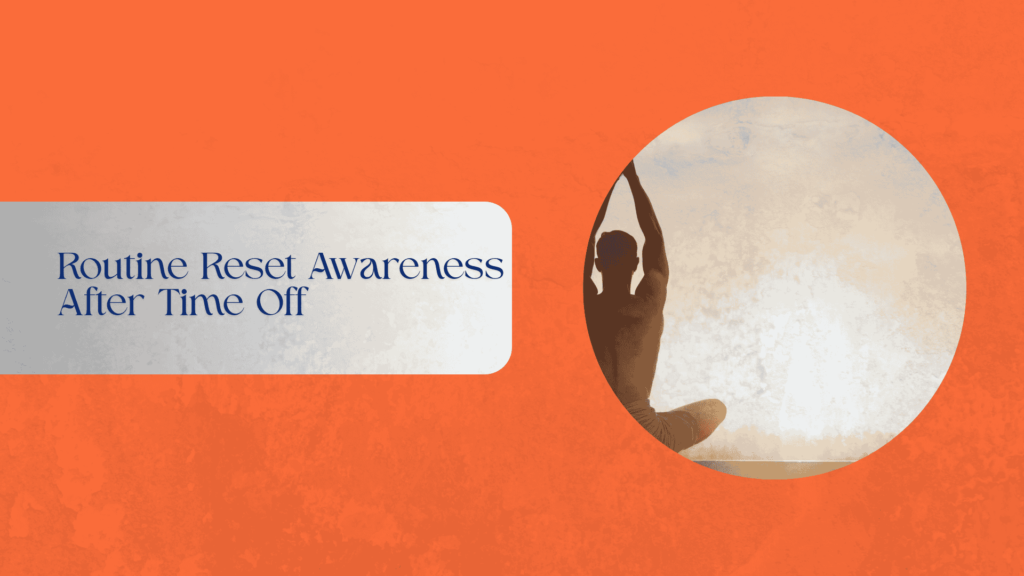
After a break, whether it’s a holiday or a short time off from your routine, getting back into the groove can be challenging. But with the right approach, you can reset your daily habits and get back on track smoothly. In this article, we’ll explore practical tips and strategies to ease your transition back to your normal routine. We’ll also introduce some products that can support your routine-building journey.
Assessing Your Current Routine
Before diving back into your routine, take some time to assess your current habits. Are there areas in your schedule that need improvement? Reflecting on your time off and understanding the changes in your lifestyle can help you set realistic goals for your routine reset. By identifying what worked and what didn’t, you can create a routine that suits your current needs and priorities.
Setting Realistic Goals for Your New Routine
When you’re ready to restart, setting clear and attainable goals is crucial. Whether you want to incorporate exercise, meal planning, or simply better time management, having defined goals helps you stay focused and motivated. Break your larger goals into smaller, manageable tasks to make it easier to stay on track.
Small Changes for Big Impact
You don’t need to overhaul your entire life to make improvements. Sometimes, small, consistent changes can have a more significant impact than drastic shifts. Start by adjusting your sleep schedule, incorporating short breaks, or dedicating time for reflection each day. These little steps can set the tone for your new routine.
Embracing Flexibility in Your New Routine
While consistency is important, flexibility is key. Life can throw unexpected curveballs, so allow room for spontaneity. If your routine needs to adjust on certain days, don’t be too hard on yourself. Flexibility ensures you don’t feel overwhelmed and helps you maintain balance.
Incorporating Healthy Habits into Your Reset
Focus on creating habits that support both your physical and mental health. These habits could include staying hydrated, eating balanced meals, exercising regularly, and practising mindfulness. By prioritising your well-being, you can maintain energy and focus throughout your day.
Maintaining Momentum Post-Reset
Once you’ve reset your routine, the next step is maintaining momentum. Celebrate small wins along the way and don’t get discouraged if things don’t always go as planned. Keeping track of your progress can be motivating, and reminding yourself of your goals will help you stay focused.
Conclusion
A routine reset after time off doesn’t have to be overwhelming. By assessing your current habits, setting realistic goals, and focusing on small yet impactful changes, you can smoothly transition back into your daily rhythm. Stay flexible and embrace healthy habits that support your overall well-being. With the right tools and mindset, your new routine will soon feel second nature.
Mandatory Disclaimer
“This content is for general informational purposes only and is not intended as medical or professional advice. Always seek the guidance of a qualified professional regarding any questions about personal wellbeing or products.”
by iamrolanddiaz | Dec 25, 2025 | Conversion
Table of Contents
- Introduction
- The Impact of Holiday Schedules on Sleep Patterns
- How Stress During the Holidays Affects Sleep
- Seasonal Changes and Their Effect on Sleep
- How to Maintain Healthy Sleep Habits During the Holidays
- Benefits of Good Sleep for Mental and Physical Health
- Common Sleep Disorders Around the Holidays
- Sleep Support Products for Better Rest
- Conclusion
- Frequently Asked Questions (FAQs)
Introduction
During the holiday season, many people experience changes in their sleep patterns due to altered schedules, increased stress, and seasonal shifts. These changes can impact both physical and mental well-being. In this blog, we explore how the holidays affect sleep and offer tips on how to maintain a restful routine.
The Impact of Holiday Schedules on Sleep Patterns
The shift in daily routines during the holidays can disrupt the body’s internal clock, causing irregular sleep patterns. Late nights, early mornings, and inconsistent bedtimes are common. Understanding how changes in routine can impact sleep quality can help you manage your sleep habits during this time.
How Stress During the Holidays Affects Sleep
Holiday-related stress, from gift shopping to family gatherings, can lead to poor sleep quality. The body’s stress response often results in higher cortisol levels, which can prevent relaxation and disrupt the sleep cycle. Finding ways to manage stress is key to improving sleep during this busy time.
Seasonal Changes and Their Effect on Sleep
The shorter daylight hours and reduced exposure to natural light during the holiday season can contribute to disruptions in sleep. Seasonal changes in temperature can also make it harder to fall asleep and stay asleep. Adjusting your environment and taking measures to balance light exposure can help mitigate these effects.
How to Maintain Healthy Sleep Habits During the Holidays
Despite the many distractions of the holiday season, maintaining healthy sleep habits is essential for overall well-being. This section offers practical advice on sticking to a consistent sleep schedule, limiting caffeine, and creating a relaxing bedtime routine.
Benefits of Good Sleep for Mental and Physical Health
Sleep plays a vital role in maintaining both mental and physical health. Proper rest helps improve mood, concentration, and immune function, all of which are essential during the high-stress holiday season. Learn more about the health benefits of good sleep and why it’s important to prioritize it.
Common Sleep Disorders Around the Holidays
Holiday-related disruptions can lead to various sleep disorders such as insomnia or disrupted circadian rhythms. This section covers some of the most common sleep issues that occur during the holidays and tips on how to manage them.
Sleep Support Products for Better Rest
For those struggling to maintain healthy sleep during the holidays, sleep support products such as sleep aids, aromatherapy diffusers, and mattresses designed to improve rest can be helpful. Discover which products can support your sleep routine and help you get the rest you deserve.
Conclusion
The holidays may bring about changes in your sleep pattern, but with the right strategies, you can manage these disruptions and enjoy restful, rejuvenating sleep. Whether you need to adjust your environment, manage stress, or try sleep support products, prioritizing your sleep health is essential for a happy holiday season.
Frequently Asked Questions (FAQs)
- Q1: How can I improve my sleep schedule during the holidays?
- A1: Stick to a consistent bedtime, limit caffeine intake, and create a calming pre-bedtime routine.
Mandatory Disclaimer
“This content is for general informational purposes only and is not intended as medical or professional advice. Always seek the guidance of a qualified professional regarding any questions about personal wellbeing or products.”
by iamrolanddiaz | Dec 25, 2025 | Conversion
Table of Contents
- Introduction
- What Are Portable Personal Care Categories?
- Why Are Portable Personal Care Products Essential?
- Popular Portable Personal Care Categories
- How to Choose the Right Portable Personal Care Products
- Maintaining Hygiene on the Go
- Tips for Storing Portable Personal Care Products
- Eco-friendly Options for Portable Personal Care
- How Portable Personal Care Products Enhance Daily Life
- Conclusion
- Frequently Asked Questions (FAQs)
Introduction
Portable personal care products have become essential for individuals leading busy, on-the-go lifestyles. From compact toiletry kits to travel-sized beauty essentials, these products allow us to maintain our hygiene and self-care routines regardless of location. In this blog, we will explore the various categories of portable personal care products, why they are necessary, and how they can be used effectively.
What Are Portable Personal Care Categories?
Portable personal care categories refer to products designed to be easily carried and used in various environments outside the home. These products are compact, lightweight, and often come in travel-friendly sizes. Examples include travel-sized shampoo, deodorant, skincare products, and compact toothbrushes. These categories serve the dual purpose of convenience and practicality while ensuring individuals can maintain their hygiene routines anytime, anywhere.
Why Are Portable Personal Care Products Essential?
The convenience of portable personal care products cannot be overstated. Whether you’re travelling, going to the gym, or simply out and about, having easy access to your hygiene products is essential for maintaining cleanliness and comfort. These products cater to individuals who are always on the move, allowing them to stay fresh and healthy without disrupting their routines.
Popular Portable Personal Care Categories
Some of the most popular categories include:
- Skin Care: Travel-sized moisturisers, cleansers, and sunscreens.
- Hair Care: Miniature bottles of shampoo, conditioner, and styling products.
- Oral Care: Portable toothbrushes, toothpaste, and floss.
- Body Care: Deodorants, hand sanitisers, and wipes.
These products come in compact forms that easily fit into bags or backpacks, making them ideal for travel and daily commutes.
How to Choose the Right Portable Personal Care Products
When selecting portable personal care products, it’s important to consider factors such as the size, packaging, and purpose of the product. Opt for products that are both practical and meet your specific needs. For example, if you have sensitive skin, look for hypoallergenic products in smaller, travel-friendly containers.
Maintaining Hygiene on the Go
Maintaining hygiene on the go is crucial to preventing illness and feeling comfortable throughout the day. Portable personal care products like hand sanitisers and disinfectant wipes help in reducing the risk of germs and bacteria. Always ensure that the products you carry are compliant with health standards.
Tips for Storing Portable Personal Care Products
Storing portable personal care products properly can extend their shelf life and keep them in good condition. Use zippered bags or compact travel kits to keep everything organised. Avoid exposure to heat or direct sunlight, which can degrade some products.
Eco-friendly Options for Portable Personal Care
As sustainability becomes a priority, more brands are offering eco-friendly options for portable personal care. Look for products with recyclable packaging or refillable containers to minimise waste while still enjoying the convenience of portability.
How Portable Personal Care Products Enhance Daily Life
Portable personal care products not only support hygiene but also contribute to overall well-being by allowing individuals to maintain their daily routines, even in hectic environments. They help individuals feel fresh, confident, and ready to take on the day.
Conclusion
Portable personal care categories offer a convenient way to maintain hygiene and self-care routines while on the move. Whether for travel, work, or day-to-day activities, these products ensure that individuals can always stay fresh, healthy, and confident.
Frequently Asked Questions (FAQs)
- What are the best portable personal care products for travel?
Travel-sized toiletries like shampoo, conditioner, and toothpaste are the most popular portable personal care items. Look for compact, leak-proof containers to avoid any mess while travelling.
- Are eco-friendly portable personal care products effective?
Yes, eco-friendly products are often just as effective as traditional ones. Many brands now offer natural ingredients in eco-friendly packaging without compromising on quality.

by iamrolanddiaz | Dec 25, 2025 | Conversion
Table of Contents
- Introduction
- The Impact of Travel on Skin Care Routines
- Hair Care Changes When Travelling
- Adjusting Your Diet and Hydration While Travelling
- Adapting Your Sleep Habits on the Go
- Managing Stress During Travel
- Maintaining Oral Hygiene Away From Home
- Packing Smart: Travel-Friendly Personal Care Products
- The Importance of Self-Care While Travelling
- Travel and Your Personal Care Evolution
Introduction
Travel can be an exciting escape from the routine, but it also brings its own set of challenges, especially when it comes to personal care. Whether it’s adapting to different climates, managing your skincare needs, or simply adjusting your routine to a new environment, travelling requires a shift in how we take care of ourselves. This blog explores how travel changes personal care habits and offers tips on how to maintain your wellness while exploring new places.
Personal Care Essentials for Travelers
For more information on how to stay refreshed while on the go, visit this authoritative travel health guide.
The Impact of Travel on Skin Care Routines
Travel can alter your skin’s needs due to different environmental factors like climate, air quality, and stress. Long flights, exposure to new allergens, and different temperatures can affect skin hydration and sensitivity. To keep your skin healthy during your travels, consider packing a lightweight moisturiser, sunscreen, and a hydrating mist.
Personal Care Essentials for Travelers
Check out this article on skincare tips for travelers.
Hair Care Changes When Travelling
When travelling, your hair care routine may need a little tweaking to combat the effects of humidity, air conditioning, or hard water. Consider bringing travel-sized shampoos and conditioners that address your hair type. A leave-in conditioner or a hair mask can also help maintain hair health during long trips.
Personal Care Essentials for Travelers
Learn more about keeping your hair healthy while travelling from this expert guide.
Adjusting Your Diet and Hydration While Travelling
Travel often involves trying new foods, and the change in diet can affect your body in unexpected ways. Staying hydrated is especially important, as dehydration can lead to skin problems, fatigue, and general discomfort. Pack healthy snacks and always keep a water bottle handy.
Personal Care Essentials for Travelers
For more travel hydration tips, check out this hydration guide.
Adapting Your Sleep Habits on the Go
Changing time zones can disrupt your sleep patterns and affect your overall well-being. To help adjust, create a bedtime routine that encourages restful sleep, such as avoiding caffeine, setting a calming environment, and using sleep masks or earplugs.
Personal Care Essentials for Travelers
This sleep guide for travellers offers tips on how to sleep better during trips.
Managing Stress During Travel
Travel can be both thrilling and stressful, especially when you’re juggling logistics and unfamiliar situations. To manage stress, consider mindfulness practices, yoga, or deep-breathing exercises. These can be easily done in a hotel room or during a quiet moment at your destination.
Personal Care Essentials for Travelers
Explore more stress-relief techniques for travellers here.
Maintaining Oral Hygiene Away From Home
When you’re on the move, it can be easy to neglect oral hygiene. However, maintaining your oral health is crucial to overall well-being. Pack a travel toothbrush, toothpaste, floss, and mouthwash to ensure you can stick to your oral care routine, no matter where you are.
Personal Care Essentials for Travelers
For more information on travel oral care, visit this dental health article.
Packing Smart: Travel-Friendly Personal Care Products
Packing personal care items that are compact and multi-functional can save space in your luggage. Look for travel-sized items or products that can serve multiple purposes, like a moisturizer with SPF or a shampoo-conditioner duo.
Personal Care Essentials for Travelers
Check out our guide to travel-friendly personal care products.
The Importance of Self-Care While Travelling
Even while on the go, it’s important to prioritise self-care. Taking time for yourself, whether it’s indulging in a spa treatment, reading a book, or enjoying a quiet walk, helps maintain balance and can enhance the travel experience.
Personal Care Essentials for Travelers
For more on self-care while travelling, visit this article.
Travel and Your Personal Care Evolution
Travel is more than just an escape—it’s an opportunity to reassess and adapt your personal care routine. By adjusting your habits and making smart choices, you can ensure that your well-being stays intact throughout your travels. Remember, small changes can have a big impact on your comfort and health on the road.
Personal Care Essentials for Travelers
For more tips on travel wellness, check out this travel well-being article.
Frequently Asked Questions (FAQs)
- Q: How can I keep my skin healthy while travelling?
A: Maintain your skincare routine by packing lightweight moisturisers, sunscreen, and a hydrating mist. Always cleanse your skin before bed and stay hydrated.
Personal Care Essentials for Travelers
For more skincare tips, visit this skincare guide.
Disclaimer: This content is for general informational purposes only and is not intended as medical or professional advice. Always seek the guidance of a qualified professional regarding any questions about personal well-being or products.