by Conversion Matters AU | Sep 18, 2025 | Conversion
Introduction
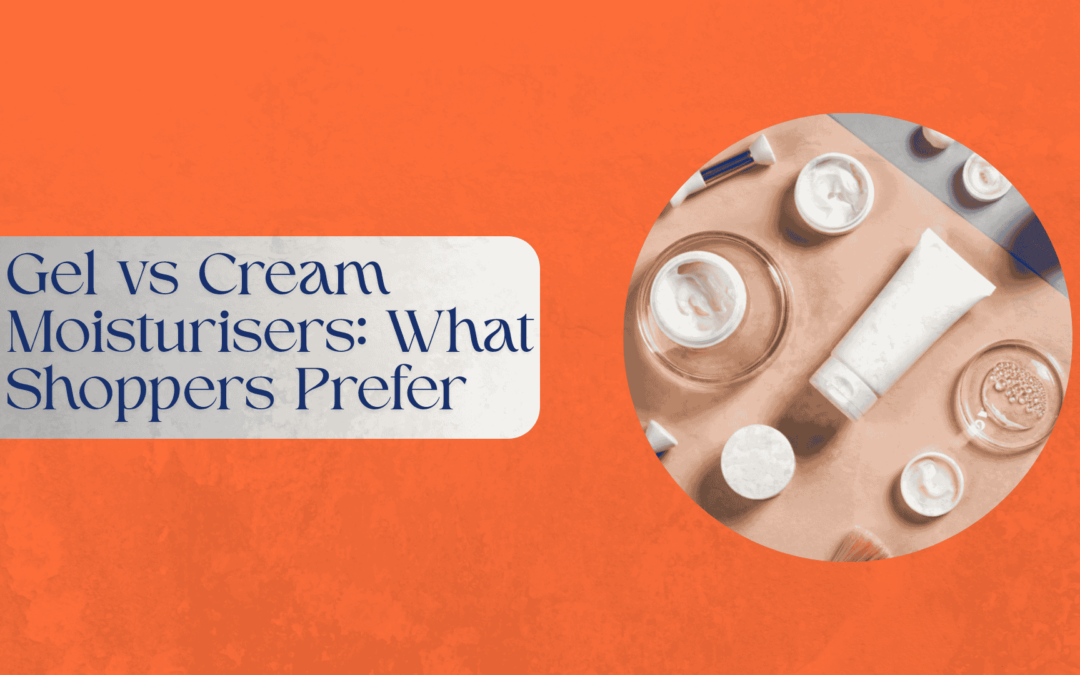
In the world of skincare, moisturising is a vital step in maintaining healthy and hydrated skin. When it comes to choosing the right moisturiser, many shoppers face a dilemma: should they go for a gel-based moisturiser or a cream-based one? Both types offer unique benefits, but which one is better suited for different skin types and needs? This article explores the differences between gel and cream moisturisers, and how these choices cater to various skin concerns. Whether you’re after a lightweight texture or a richer, more hydrating feel, understanding these moisturisers will help you make an informed choice for your skincare routine.
What are Gel Moisturisers?
Gel moisturisers have gained popularity for their lightweight, refreshing feel. Ideal for oily or acne-prone skin, these moisturisers are typically water-based, which makes them absorb quickly and leave the skin feeling cool and non-greasy. They often provide hydration without clogging pores, making them perfect for individuals who experience breakouts or have sensitive skin.
What are Cream Moisturisers?
Cream moisturisers are thicker and richer than gels, providing deeper hydration. These moisturisers are typically oil-based and are more suitable for dry or mature skin. The creamy texture locks in moisture and forms a protective barrier, making them ideal for colder climates or skin types that require additional nourishment.
Skin Types and Moisturiser Preferences
Different skin types demand different formulations. While gel moisturisers are lighter and suitable for oily skin, cream moisturisers provide a more robust solution for dry skin. Combination skin can benefit from using both types at different times, depending on the season or specific skin needs.
Seasonal Considerations for Moisturiser Choices
The choice between gel and cream moisturisers may also depend on the season. During hot, humid weather, gel moisturisers may be preferred due to their lightweight texture. In contrast, winter months may see a shift towards cream moisturisers, as the skin needs extra moisture to combat dryness caused by the cold air.
The Role of Active Ingredients in Gel vs. Cream Moisturisers
Both gel and cream moisturisers contain active ingredients, but their impact on the skin may vary based on the formulation. Gel moisturisers often include humectants like glycerin, which attract water to the skin, while cream moisturisers might contain occlusives like oils to lock in moisture. Choosing the right active ingredients is crucial to addressing specific skin concerns.
Conclusion
In conclusion, both gel and cream moisturisers have distinct advantages depending on your skin type and personal preferences. While gel moisturisers are excellent for lightweight hydration, cream moisturisers offer richer, more intense nourishment. When choosing between the two, consider your skin’s needs, the climate, and the time of year. Whether you opt for a gel or cream-based moisturiser, incorporating a suitable product into your skincare routine will help maintain healthy, moisturised skin.
Frequently Asked Questions (FAQs)
Q: Can I use both gel and cream moisturisers together?
A: Yes, you can use both gel and cream moisturisers as part of your skincare routine. For example, you can apply a gel moisturiser in the morning for a lightweight finish and a cream moisturiser at night for extra hydration.
Disclaimer: This content is for general informational purposes only and is not intended as medical or professional advice. Always seek the guidance of a qualified professional regarding any questions about personal well-being or products.

by Conversion Matters AU | Sep 18, 2025 | Conversion
Table of Contents
- Embracing Wellness in the New Year
- Importance of Staying Hydrated
- The Power of Physical Activity
- The Role of Nutrition in Your Wellness
- Sleep: The Unsung Hero of Wellness
- Mindfulness for Stress Relief
- Healthy Routines for Mental Clarity
- Building Healthy Habits that Stick
- Building Your Wellness Routine for the New Year
- Frequently Asked Questions (FAQs)
Embracing Wellness in the New Year
The New Year is a perfect opportunity to take charge of your wellness. By integrating small, daily habits into your routine, you can make 2026 a year of improved health and vitality. Whether it’s adjusting your diet, getting enough sleep, or making time for physical activity, every positive change contributes to your overall well-being. Start the year by focusing on what you can do every day to nurture both your body and mind.
- [Daily Wellness Essentials]
- [Australian Government Health & Wellbeing Resources]
Importance of Staying Hydrated
Drinking enough water is one of the simplest yet most effective habits for maintaining health. It aids digestion, supports brain function, and promotes healthy skin. Aim for at least 8 glasses of water a day, adjusting for activity level and climate. Include hydrating foods like fruits and vegetables in your meals to further support hydration.
- [Hydration Essentials]
- [Australian Hydration Guidelines]
The Power of Physical Activity
Regular exercise is essential for maintaining a healthy body and mind. Whether you enjoy walking, cycling, or yoga, physical activity boosts energy levels, enhances mood, and reduces stress. Aim for at least 30 minutes of moderate activity most days of the week.
- [Fitness Essentials]
- [Australian Physical Activity Recommendations]
The Role of Nutrition in Your Wellness
Eating a balanced diet rich in fruits, vegetables, whole grains, and lean proteins is crucial for maintaining your energy levels and overall health. Start your day with a nutritious breakfast, include healthy snacks throughout the day, and focus on portion control to help manage your weight.
- [Nutrition Essentials]
- [Australian Dietary Guidelines]
Sleep: The Unsung Hero of Wellness
Sleep is a vital component of wellness. It allows the body to repair itself, supports cognitive function, and improves mood. Aim for 7-9 hours of quality sleep each night. Create a sleep-friendly environment by reducing screen time before bed, establishing a calming bedtime routine, and ensuring your bedroom is dark and quiet.
- [Sleep Wellness Essentials]
- [Sleep Health Foundation]
Mindfulness for Stress Relief
Incorporating mindfulness practices such as meditation, deep breathing, or journaling can significantly reduce stress and improve mental clarity. Just a few minutes each day can help you stay grounded, focused, and resilient.
- [Mindfulness Essentials]
- [Australian Psychological Society – Mindfulness Resources]
Healthy Routines for Mental Clarity
Establishing healthy mental habits is just as important as physical wellness. Take time to set intentions for your day, practice gratitude, and engage in activities that boost your mental well-being. A balanced mind supports a balanced life.
- [Mental Clarity Essentials]
- [Mindfulness and Mental Health Research]
Building Healthy Habits that Stick
Building healthy habits is a key part of long-term wellness. Start small and be consistent. Gradually increase the intensity of your wellness routines, and don’t be too hard on yourself if you miss a day. The goal is progress, not perfection.
- [Healthy Habits Essentials]
- [Research on Habit Formation]
Building Your Wellness Routine for the New Year
As we start the year, remember that wellness is a journey, not a destination. By implementing these daily habits, you can create a routine that enhances your physical, mental, and emotional well-being. Start small and gradually build upon your successes. Here’s to a healthier, more fulfilling 2026!
- [Daily Wellness Essentials]
- [Australian Government Health & Wellbeing Guidelines]
Frequently Asked Questions (FAQs)
- How much water should I drink daily?
The recommended amount is at least 8 glasses a day, but your needs may vary depending on your activity level, diet, and climate.
-
- [Hydration Essentials]
- [Australian Hydration Guidelines]
Disclaimer: This content is for general informational purposes only and is not intended as medical or professional advice. Always seek the guidance of a qualified professional regarding any questions about personal wellbeing or products.
by Conversion Matters AU | Sep 18, 2025 | Conversion
Table of Contents
- Introduction
- Why Hydration Is Essential in Summer
- Top Hydration Products Popular in Australia
- Hydration & Electrolyte Powders
- Hydration Tablets and Effervescent Drinks
- Bottled Hydration Beverages
- Hydration Packs for On-the-Go
- Sports Drinks: Pros and Cons
- Natural Hydration Alternatives
- Conclusion
- Frequently Asked Questions (FAQs)
Introduction
During the Australian summer, maintaining hydration becomes crucial due to increased temperatures and physical activity. Proper hydration supports energy levels, helps maintain body temperature, and keeps the body functioning optimally. In this guide, we’ll look at the best hydration products Australians use in summer to stay refreshed and energized. These products are widely available, easy to use, and tailored to meet hydration needs in varying situations.
Why Hydration Is Essential in Summer
As Australians enjoy outdoor activities during the hotter months, staying hydrated becomes essential for overall health and wellbeing. Heat and physical exertion can lead to fluid loss, which may result in dehydration. Proper hydration helps to regulate body temperature, improve mental clarity, and prevent fatigue.
Top Hydration Products Popular in Australia
Australians use various products to stay hydrated in summer. From hydration powders to bottled drinks, these products are designed to replenish fluids quickly. Hydration products are formulated with electrolytes to help maintain a balance of essential minerals like sodium and potassium.
Hydration & Electrolyte Powders
Hydration powders are a convenient and cost-effective option for staying hydrated. Simply mixed with water, they provide the necessary electrolytes that help maintain fluid balance in the body, especially after exercise or in extreme heat. These products are available in various flavors, offering a refreshing option for hydration.
Hydration Tablets and Effervescent Drinks
Effervescent tablets and drinks are another popular choice for hydration in Australia. These products are easy to carry and dissolve quickly in water. They provide hydration along with a boost of electrolytes, making them ideal for travelers and athletes.
Bottled Hydration Beverages
For convenience, bottled hydration beverages are a top choice. Available in stores nationwide, these drinks often contain added electrolytes to help with quick rehydration. They come in a range of flavors, including fruit and herbal options, providing variety and taste for the consumer.
Hydration Packs for On-the-Go
Hydration packs are designed for active individuals who are always on the move. These packs are convenient for hiking, cycling, or running and contain a reservoir of water and electrolytes to ensure proper hydration during physical activity. They are compact, lightweight, and easy to carry.
Sports Drinks: Pros and Cons
Sports drinks are often consumed by Australians during physical exertion to replenish fluids and electrolytes. While they offer quick hydration, it’s important to choose those with a balance of sugar and electrolytes. This section will discuss the benefits and potential downsides of sports drinks.
Natural Hydration Alternatives
While hydration products are effective, there are natural alternatives available for staying hydrated during the summer. Coconut water, fresh fruit juices, and water-rich vegetables like cucumbers are excellent ways to maintain hydration levels. Learn about these natural options and how they can contribute to your daily hydration needs.
Conclusion
In summary, staying hydrated is essential for health during the hot Australian summer. Whether you prefer hydration powders, effervescent tablets, or natural alternatives, it’s crucial to select products that provide adequate electrolytes and maintain fluid balance. By incorporating hydration into your daily routine, you can improve your overall wellbeing and enjoy all the summer activities Australia has to offer.
Frequently Asked Questions (FAQs)
Mandatory Disclaimer:
“This content is for general informational purposes only and is not intended as medical or professional advice. Always seek the guidance of a qualified professional regarding any questions about personal wellbeing or products.”
by Conversion Matters AU | Sep 18, 2025 | Conversion
Table of Contents
- Introduction
- Understanding Hot and Humid Weather Effects on Skin
- Essential Steps in a Summer Skincare Routine
- Choosing the Right Products for Hot & Humid Conditions
- The Importance of Sun Protection
- Hydration: Key to Healthy Skin in Summer
- Exfoliating Your Skin During the Summer Months
- Caring for Oily Skin in Humid Weather
- Skincare Tips for Sensitive Skin
- Conclusion & Key Takeaways
- Frequently Asked Questions (FAQs)
Introduction
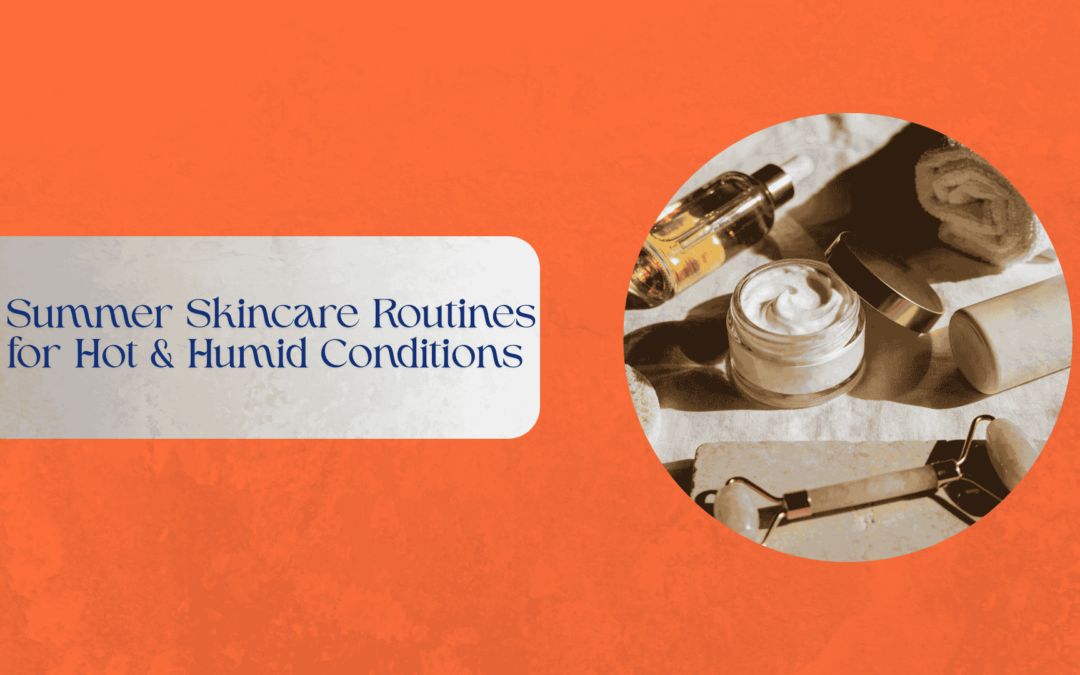
In hot and humid weather, your skin is exposed to a range of environmental stressors that can lead to discomfort, irritation, and potential damage. A proper skincare routine tailored for these conditions can help you maintain healthy, glowing skin throughout the summer months. In this blog, we will explore essential summer skincare routines, how to choose the right products, and tips for maintaining your skin’s health in the heat.
Understanding Hot and Humid Weather Effects on Skin
Hot and humid conditions can cause excessive sweating, leading to clogged pores and increased oil production. This can result in breakouts, irritation, and dehydration. Understanding how these weather conditions affect your skin is crucial for selecting the right skincare products and routines to combat these issues effectively.
Essential Steps in a Summer Skincare Routine
A balanced skincare routine for the summer includes cleansing, exfoliating, moisturizing, and sun protection. Start your day with a gentle cleanser, followed by a light moisturizer, and finish with sunscreen to protect your skin from UV rays. This simple routine helps keep your skin clean, hydrated, and shielded from sun damage.
Choosing the Right Products for Hot & Humid Conditions
Choosing the right skincare products is essential for maintaining healthy skin in hot and humid conditions. Opt for lightweight, non-comedogenic products that won’t clog pores or leave your skin feeling greasy. Consider gel-based moisturizers, oil-free sunscreens, and gentle cleansers formulated for sensitive skin.
The Importance of Sun Protection
In the summer, protecting your skin from the sun is one of the most crucial aspects of your skincare routine. Sunscreen helps prevent sunburn, premature aging, and reduces the risk of skin cancer. Choose broad-spectrum sunscreen with SPF 30 or higher and reapply every two hours.
Hydration: Key to Healthy Skin in Summer
Hydration is vital for maintaining your skin’s elasticity and preventing dryness caused by sun exposure and humidity. Drink plenty of water throughout the day and use hydrating skincare products to replenish lost moisture, keeping your skin soft and smooth.
Exfoliating Your Skin During the Summer Months
Exfoliating helps remove dead skin cells and unclog pores, which can be especially important in hot weather when sweat and oil accumulate. Use gentle exfoliants to avoid irritation, and be cautious not to over-exfoliate, which can strip your skin of its natural oils.
Caring for Oily Skin in Humid Weather
Humidity can make oily skin worse, leading to breakouts and shine. Use oil-free products and consider incorporating mattifying sunscreens or powders into your routine to control excess oil. Regularly cleanse and use toners designed for oily skin to maintain a balanced complexion.
Skincare Tips for Sensitive Skin
Sensitive skin can be more prone to irritation in hot and humid conditions. Stick to gentle, fragrance-free products and avoid heavy layers of makeup or skincare. Always patch test new products and opt for soothing ingredients like aloe vera or chamomile to calm your skin.
Conclusion & Key Takeaways
Summertime brings unique challenges for your skin, but with the right skincare routine, you can keep your skin healthy, balanced, and glowing. Protecting your skin from sun damage, staying hydrated, and using lightweight, non-comedogenic products are key to thriving in hot and humid conditions.
Frequently Asked Questions (FAQs)
- Q1: How often should I exfoliate in summer?
Exfoliate 1-2 times per week to remove dead skin cells, but be gentle to avoid irritation.
Disclaimer
“This content is for general informational purposes only and is not intended as medical or professional advice. Always seek the guidance of a qualified professional regarding any questions about personal wellbeing or products.”